35 step-by-step guides to the records that answer the questions people actually ask: when was my house built, who lived here, where is someone buried, what business was at this address, and how do I use city directories, the census, old maps, and newspaper archives. Every guide names the specific record, who holds it, what years it covers, and what it costs (usually nothing).
Need a person to ask? Our directory of 695 historical societies, museums, and archives is organized by state, and each state page explains where that state keeps its vital, land, and newspaper records.
Start here if you own or rent an old place. These guides walk through assessor records, deeds, permits, directories, and the census to date a house and recover its past owners and tenants.
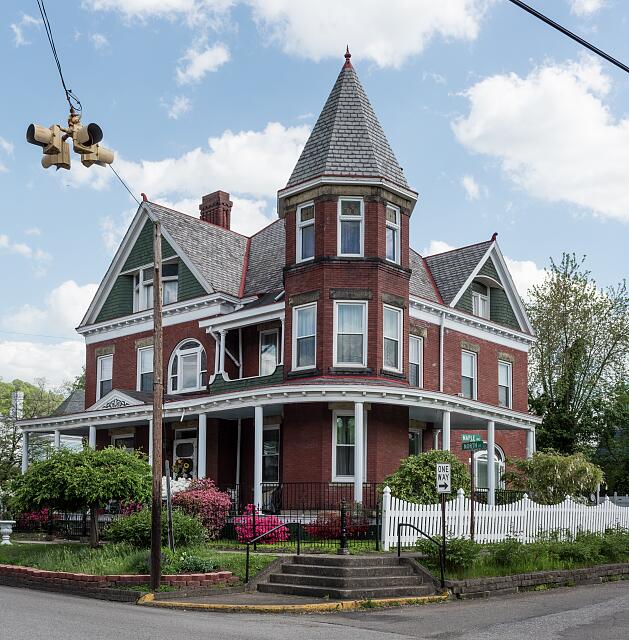
Discover the fascinating past of your house using public records, archives, and local resources. Learn the step-by-step process to uncover who lived there before you.
Read Article →Assessor records, deeds, permits, fire-insurance maps, and clues hidden in the house itself — how to pin down the true construction year.
Read Article →Trace every past resident of your home using free census records, city directories, deeds, old newspapers, and voter rolls.
Read Article →Renters leave no deed trail, but city directories, census sheets, voter rolls, and newspapers still record them. How to trace past tenants of any unit.
Read Article →No database lists deaths by address, but death certificates, obituaries, mortality schedules, and coroner files can. How to find out free, and what sellers must disclose.
Read Article →Follow a property's chain of title through county recorder records, grantor-grantee indexes, plat maps, and federal land patents.
Read Article →Most older houses never had plans filed. Where to get permit history by address, find an architect's drawings, or match a kit or plan-book catalog.
Read Article →A field guide to American house styles from Georgian to Ranch, plus the window, floor plan, nail, and framing clues that help date an old house.
Read Article →Stamped lumber, shipping labels, Sears mortgages in county records, and free digitized catalogs: how to prove (or rule out) a mail-order kit house.
Read Article →Find the first owner of your land: BLM GLO patents, homestead case files at the National Archives, tract books, and state land office grants.
Read Article →Free ways to locate a burial, pull an obituary, read a census page, and build a family tree without a subscription.
Nine free ways to locate a grave: Find a Grave, death certificates, obituaries, cemetery offices, and the VA gravesite locator.
Read Article →Every free grave finder, step by step: Find a Grave, BillionGraves, the VA gravesite locator, state cemetery databases, and what to do when nothing turns up.
Read Article →Legacy.com and funeral home sites for recent deaths; Chronicling America, state portals, FamilySearch, and library databases for old ones, plus a worked example.
Read Article →Where to search every census from 1790 to 1950 for free, how to find a household by street address, what each year asked, and how to work around 1890.
Read Article →A step-by-step plan using FamilySearch, free census records through 1950, state vital indexes, and your library's database access.
Read Article →Where old high school and college yearbooks are free to read online, what each source holds, and how to get a page from a yearbook that was never scanned.
Read Article →Decode the long s, old scripts, and the abbreviations that fill deeds, wills, and censuses — with strategies that make any document readable.
Read Article →The sources every other guide depends on, and how to actually use them: city directories, phone books, newspaper archives, Sanborn maps, aerial photos, and business records.
City directories list who lived and worked at every address, year by year. Where to find them free and how to decode the entries.
Read Article →Where scanned telephone directories live online, from the Internet Archive to library portals, and how to search them by name or address.
Read Article →Chronicling America, state digital newspaper programs, and library access to paid databases — plus search tricks that beat bad OCR.
Read Article →The color codes, symbols, and abbreviations on Sanborn maps — and how to use the Library of Congress's free collection to date any building.
Read Article →See your land from above decade by decade: Google Earth Pro, USGS EarthExplorer, 1930s USDA county aerials, topo maps, plat maps, and how to overlay them.
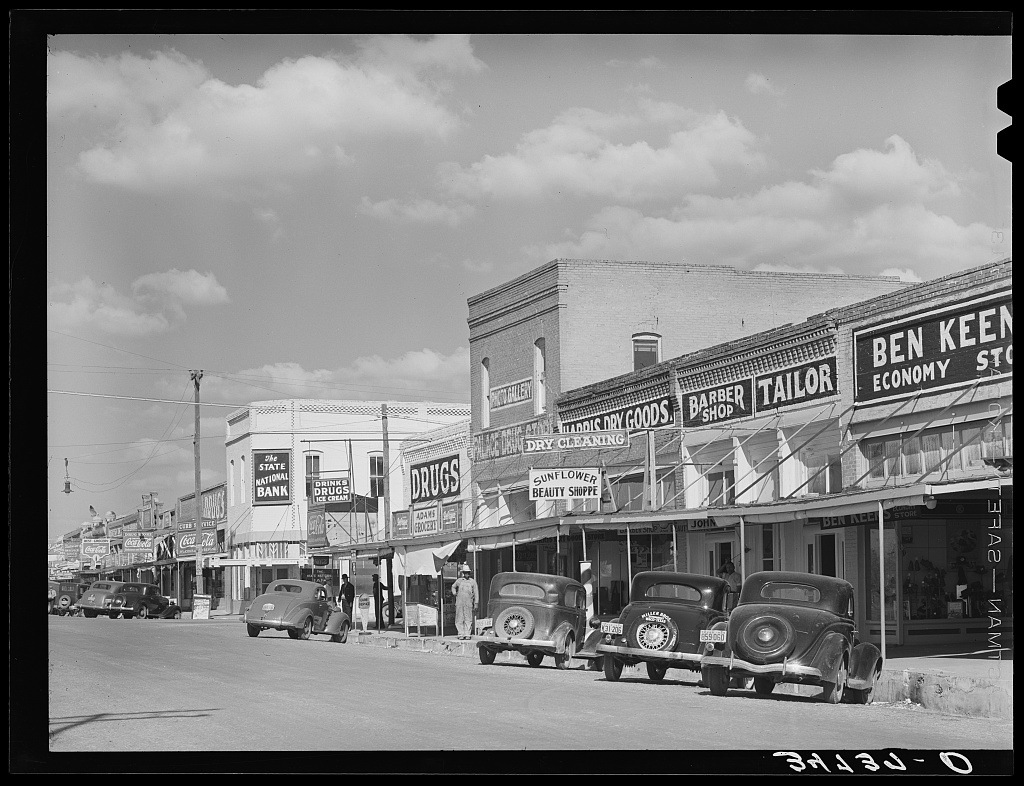
Read Article →Eight practical, mostly-free ways to find out what store, restaurant, or company once occupied any address — from city directories to historical Street View.
Read Article →Research tips for discovering what businesses operated in your neighborhood decades or even centuries ago. From city directories to newspaper archives.
Read Article →Researching a building that is not your house, finding and dating old photographs, reading markers, and getting a property on the National Register.
Where vintage photographs of your house, street, and town survive — historical societies, libraries, the Library of Congress, and more, with search tips.
Read Article →Photo formats, stamp boxes, clothing styles, and studio imprints — how to narrow any mystery photograph to a date range.
Read Article →
Best practices for digitizing, storing, and sharing your family's historical photos and documents so future generations can enjoy them.
Read Article →Cornerstones, permits, Sanborn maps, HABS surveys, and National Register files — a step-by-step guide for any commercial or public building.
Read Article →What listing really means for owners, how to check if a property is already listed, and the SHPO nomination process step by step.
Read Article →What do those plaques and signs on old buildings actually mean? Learn how to read historical markers and understand the stories they tell about your community.
Read Article →Working with historical societies, researching a neighborhood or street, and a few deep dives into places with stories to tell.
How to locate the society that covers your address, what it holds, how to ask for research help, and what it costs.
Read Article →Find who built your neighborhood and why your street has its name, using county histories, subdivision plats, old maps, directories, redlining maps, and NRHP files.
Read Article →Local history connects us to our communities and helps us understand how we got here. Discover why preserving these stories is more important than ever.
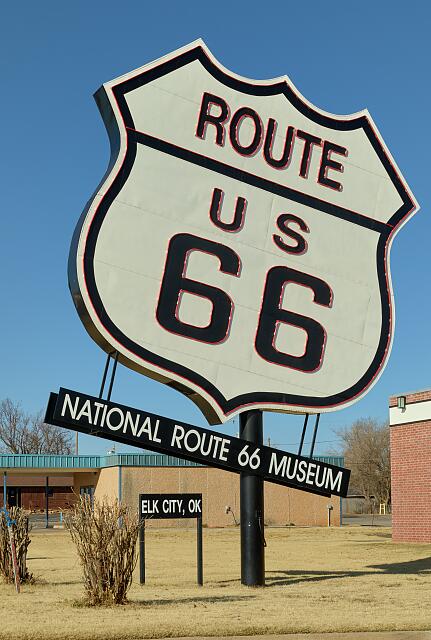
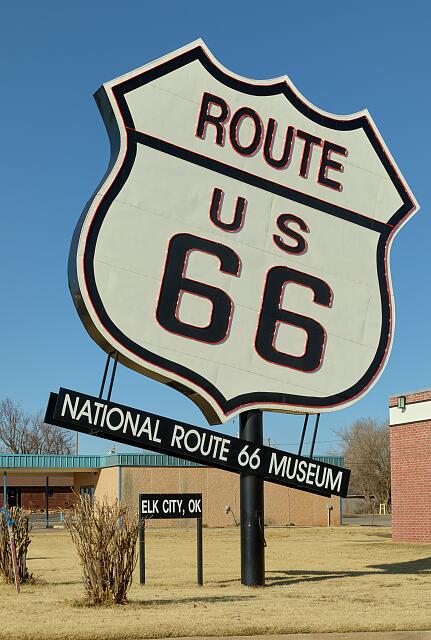
Read Article →Drive Route 66 across Illinois from Chicago to the Chain of Rocks Bridge: which diners, motels, gas stations, and roadside giants survive, and what each stop looked like in its heyday.
Read Article →
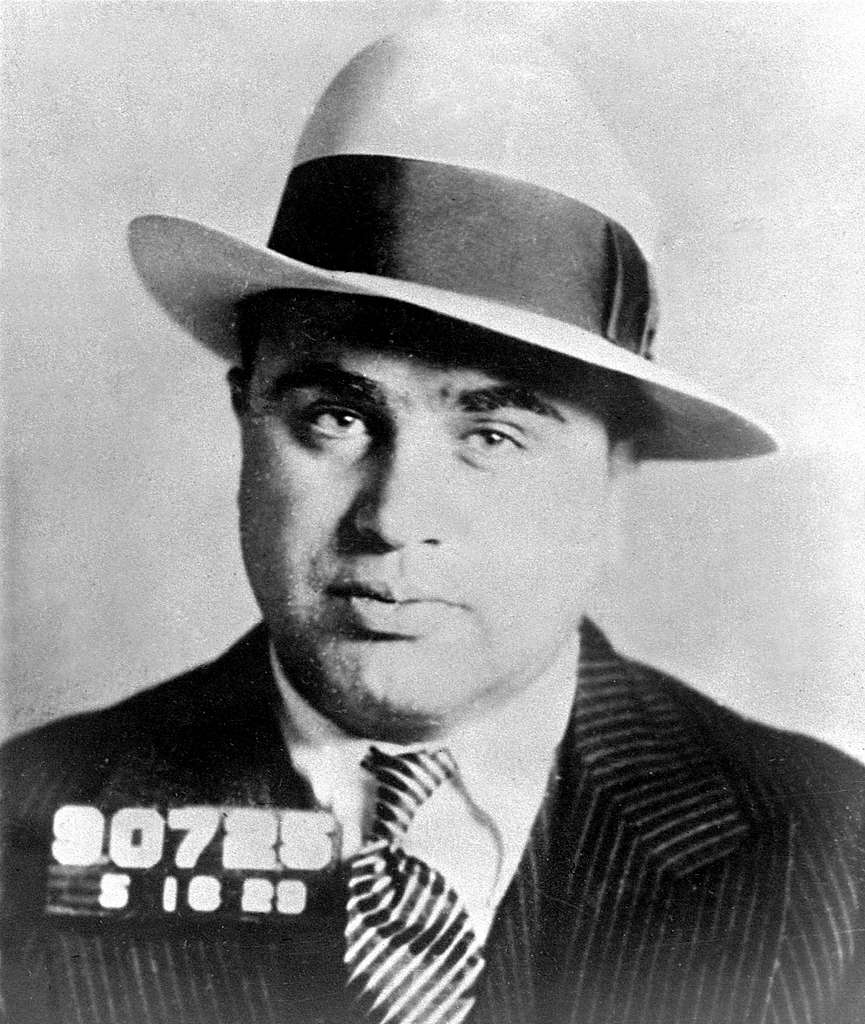
Explore 30+ historic locations tied to Al Capone from the Lexington Hotel to the Green Mill. Discover what remains of Chicago's gangster era and how to visit today.
Read Article →The When It Was app maps businesses and landmarks that once stood at an address onto a timeline.
Explore When It Was →